*This information was originally published as part of an abstract for the AAN 2025 Annual Meeting*
Understanding Myasthenia Gravis and the Unmet Patient Need
Myasthenia gravis (MG) is a rare, chronic, autoimmune disorder that affects how nerves and muscles communicate, making muscles feel weak and tired easily. Traditional treatments can help manage symptoms but often have delayed effects, variable efficacy, and long-term risks. Given that MG symptoms shift over time, clinicians must proactively modify treatment strategies, especially since conventional dosing schedules have not adapted to these changes.
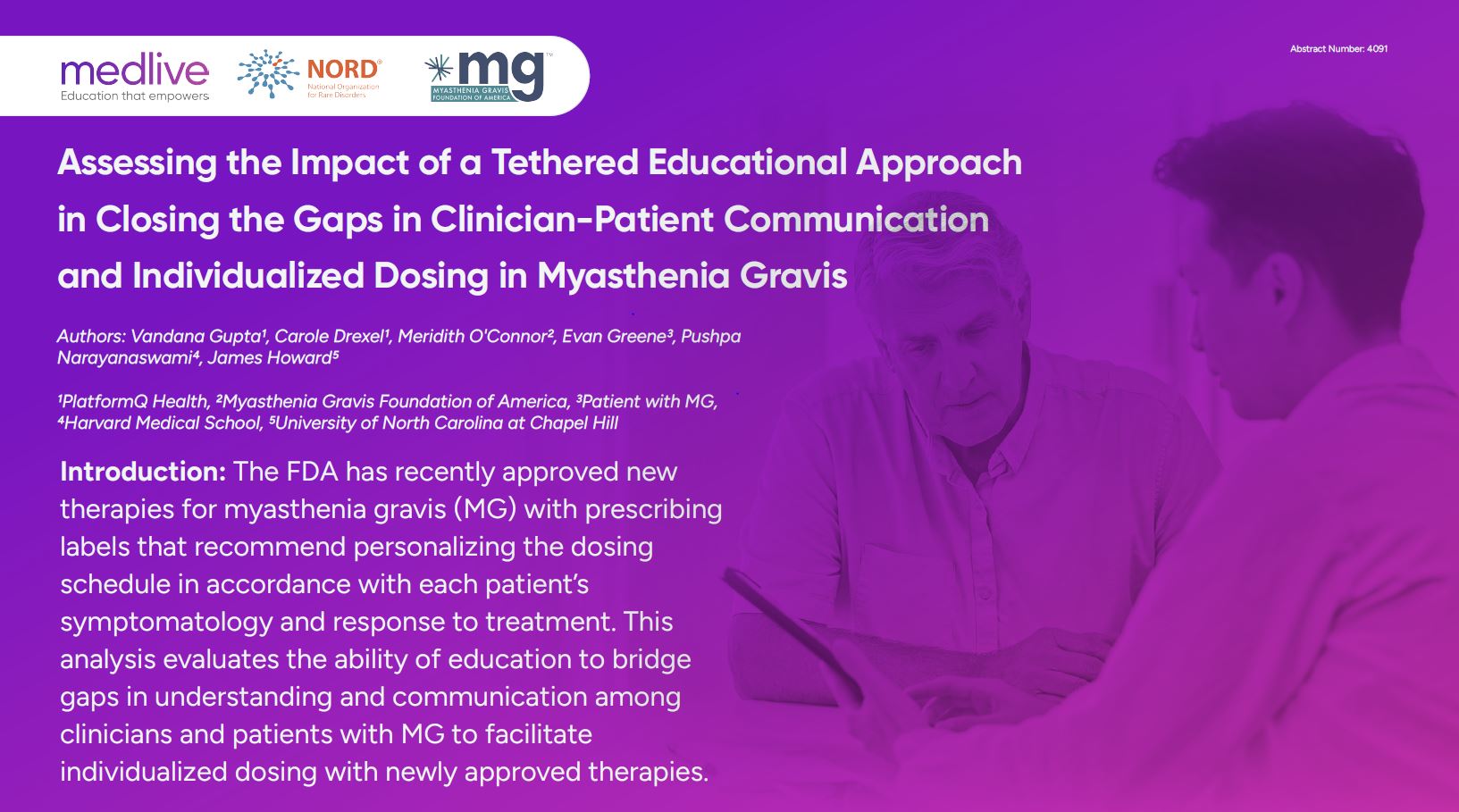
Recent FDA approvals of new MG treatments mark a major step forward, emphasizing personalized dosing based on each patient’s symptoms and response. While these therapies offer new hope, many specialists are not yet equipped with up-to-date education and guidance to confidently implement these dosing strategies in clinical practice. Bridging this knowledge gap is essential to unlocking the full potential of these groundbreaking treatments.
The Medlive Approach
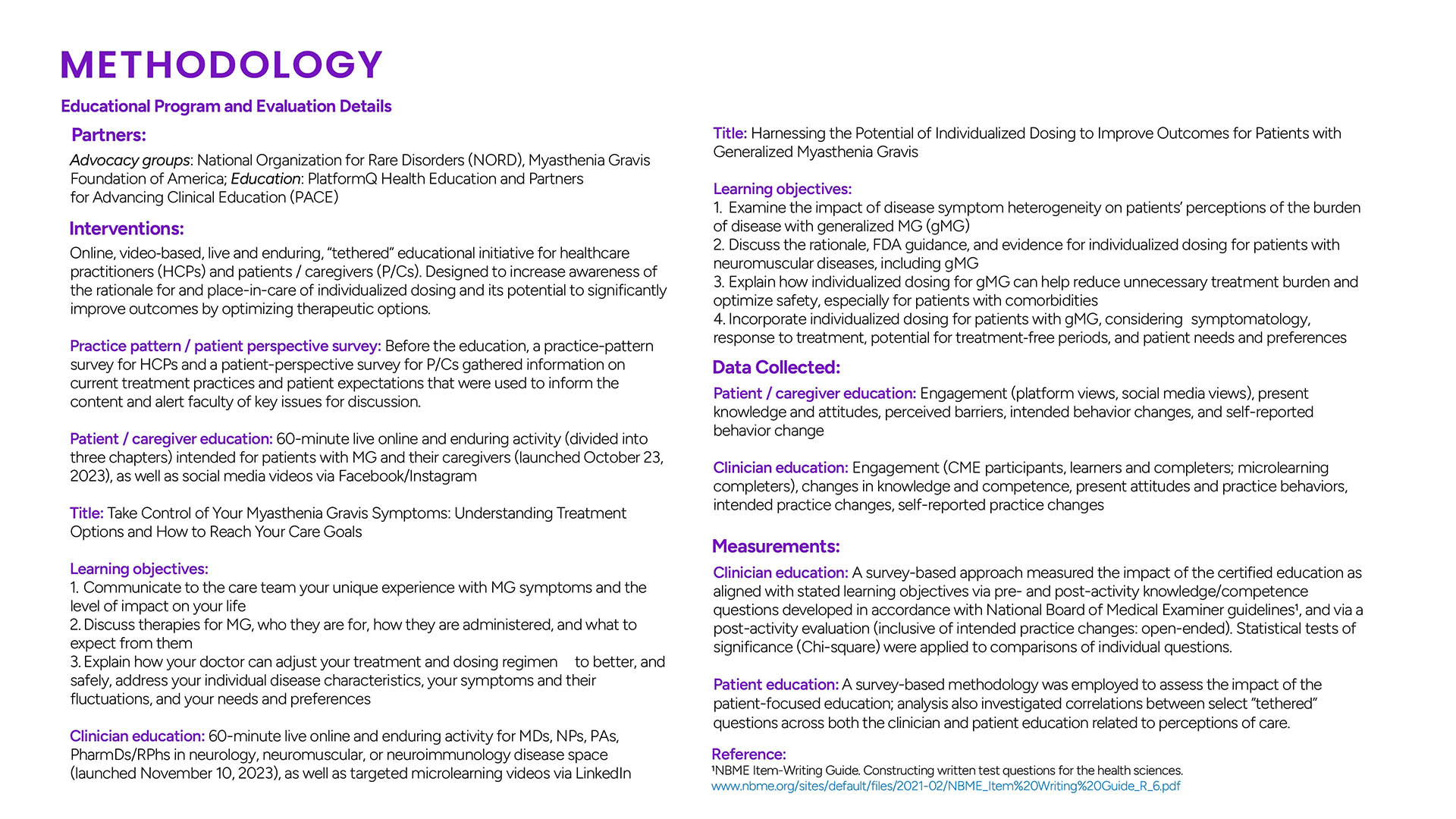
At Medlive, we believe that we can help bridge these gaps through targeted digital education. To that end, we joined forces with the National Organization for Rare Disorders (NORD) and Myasthenia Gravis Foundation of America to develop targeted digital education. The program featured two Medlive Tethered live and on-demand video-based content tracks, one tailored to healthcare professionals (HCPs) and the other to patients and caregivers, providing essential information about personalized dosing regimens including their benefits and common barriers to adoption.
The patient program, “Take Control of Your Myasthenia Gravis Symptoms: Understanding Treatment Options and How to Reach Your Care Goals”, included a 60-minute online session (divided into three chapters) launched via Medlive together with social media videos, shared via Facebook and Instagram, all designed to educate patients and caregivers on individualized dosing.
The HCP program, “Harnessing the Potential of Individualized Dosing to Improve Outcomes for Patients with Generalized Myasthenia Gravis”, included a 60-minute online session launched via Medlive together with targeted microlearning videos shared via LinkedIn. The education was targeted to MDs, NPs, PAs, PharmD/RPh in neurology, neuromuscular or neuroimmunology disease space involved in the management of patients with gMG.
Program Goals
The patient program aimed to help patients understand how to effectively communicate their unique MG symptoms and their impact to their care team, recognizing how their doctor can adjust treatment and dosing to better align with their individual needs and symptom fluctuations.
The HCP program focused on understanding the impact of symptom variability on patient perception of disease burden, exploring the rationale and evidence behind individualized dosing in gMG, and applying personalized treatment strategies to reduce unnecessary burden, optimize safety, and align with patient needs.
Data Analysis
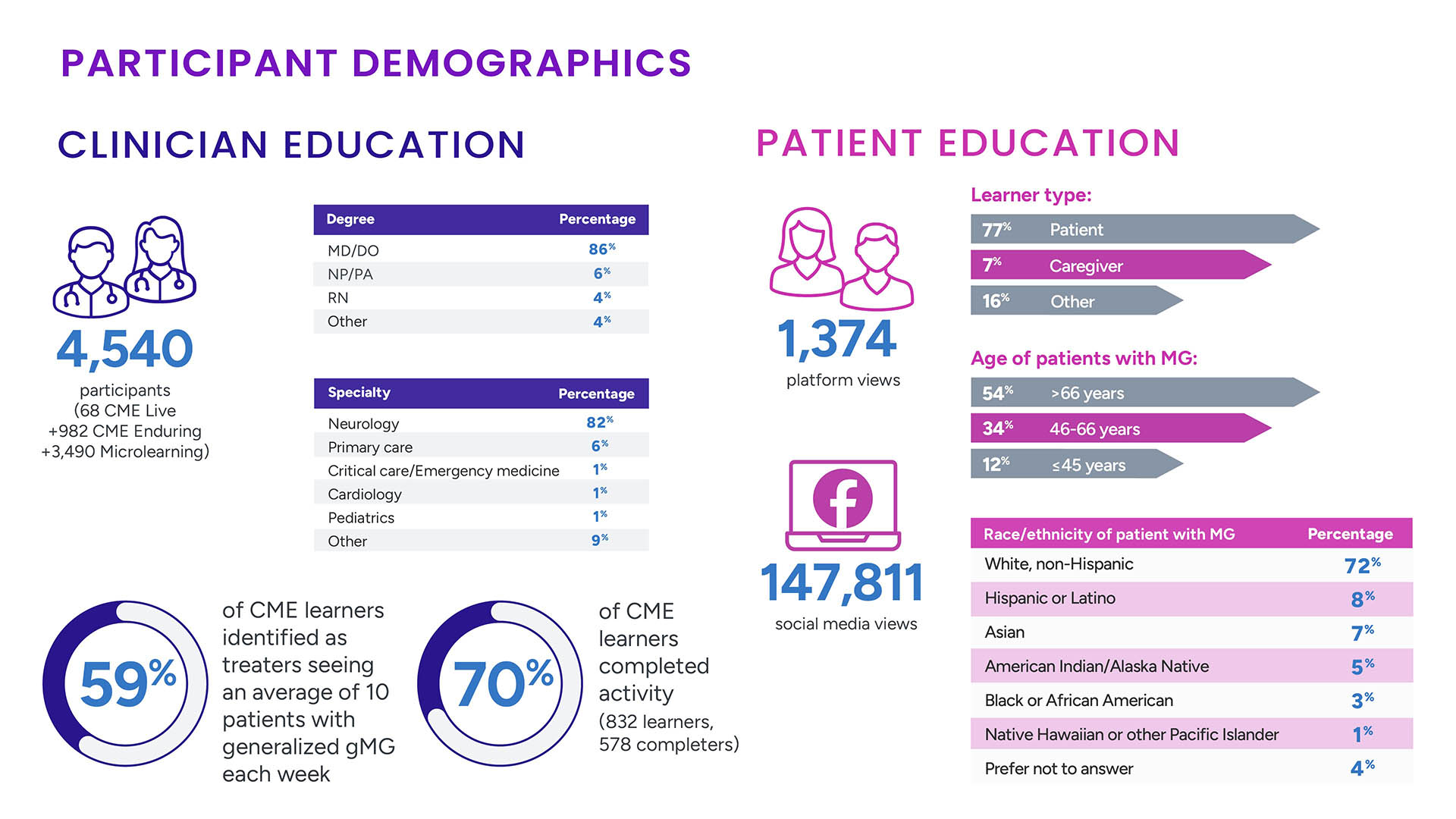
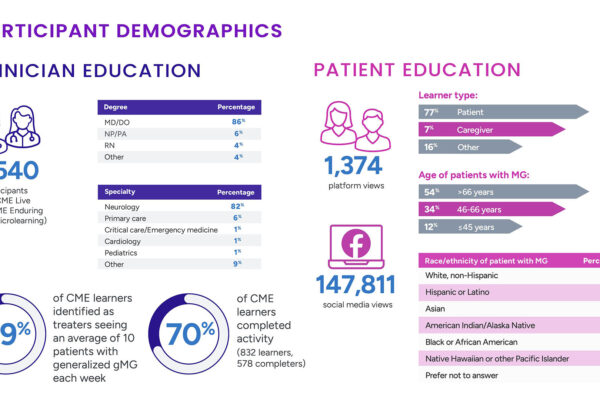
The program saw 4,540 learners participate in the clinician education and 149,185 learners participate in the patient education.
Outcomes from the patient initiative included analyses of engagement (platform views, social media views), present knowledge and attitudes, perceived barriers, intended behavior changes and self-reported behavior changes.
Outcomes from the HCP education included analysis of engagement (CME participants, learners, and completers; microlearning completers), changes in knowledge and competence, present attitudes and practice behaviors, intended practice changes and self-reported practice changes.
Key takeaways from the analyses included:
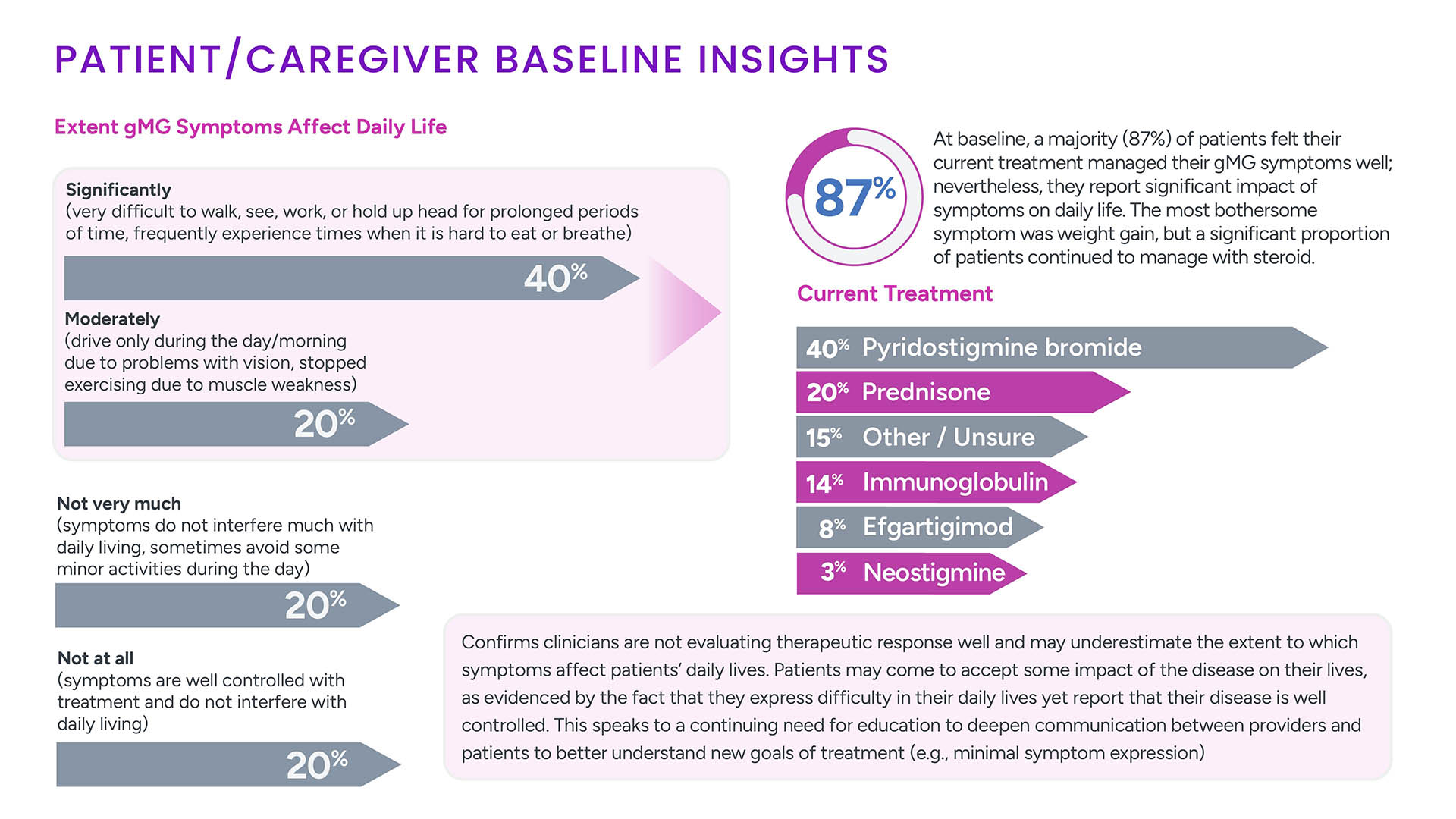
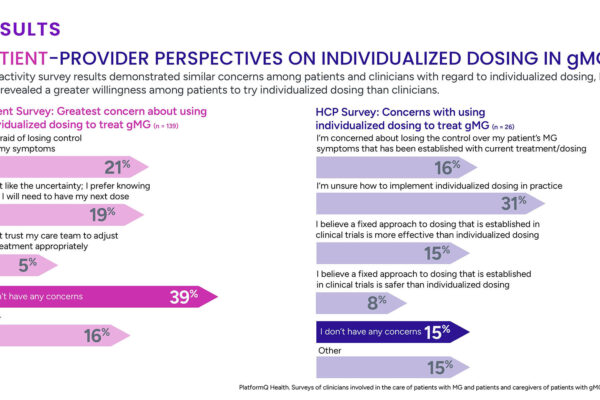
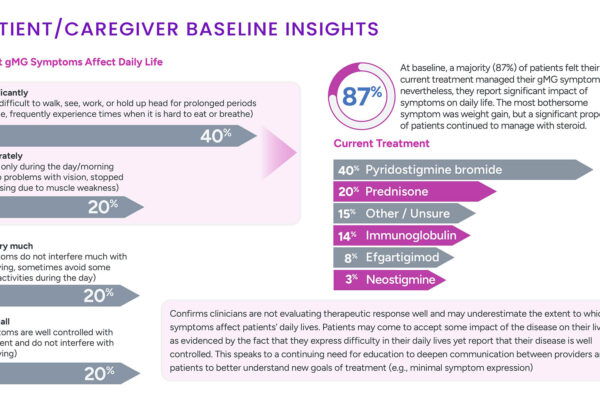
- At baseline, while 87% of patients felt their current treatment managed their symptoms well, the majority of patients reported that gMG symptoms significantly (40%) or moderately (20%) imapct their daily life. This highlights an underlying gap related to an acceptance of the impact of gMG among patients and in how clinicians evaluate therapeutic response, potentially causing clinicians to underestimate the extent to which symptoms affect patients’ daily lives and continue treatment with ineffective therapies.
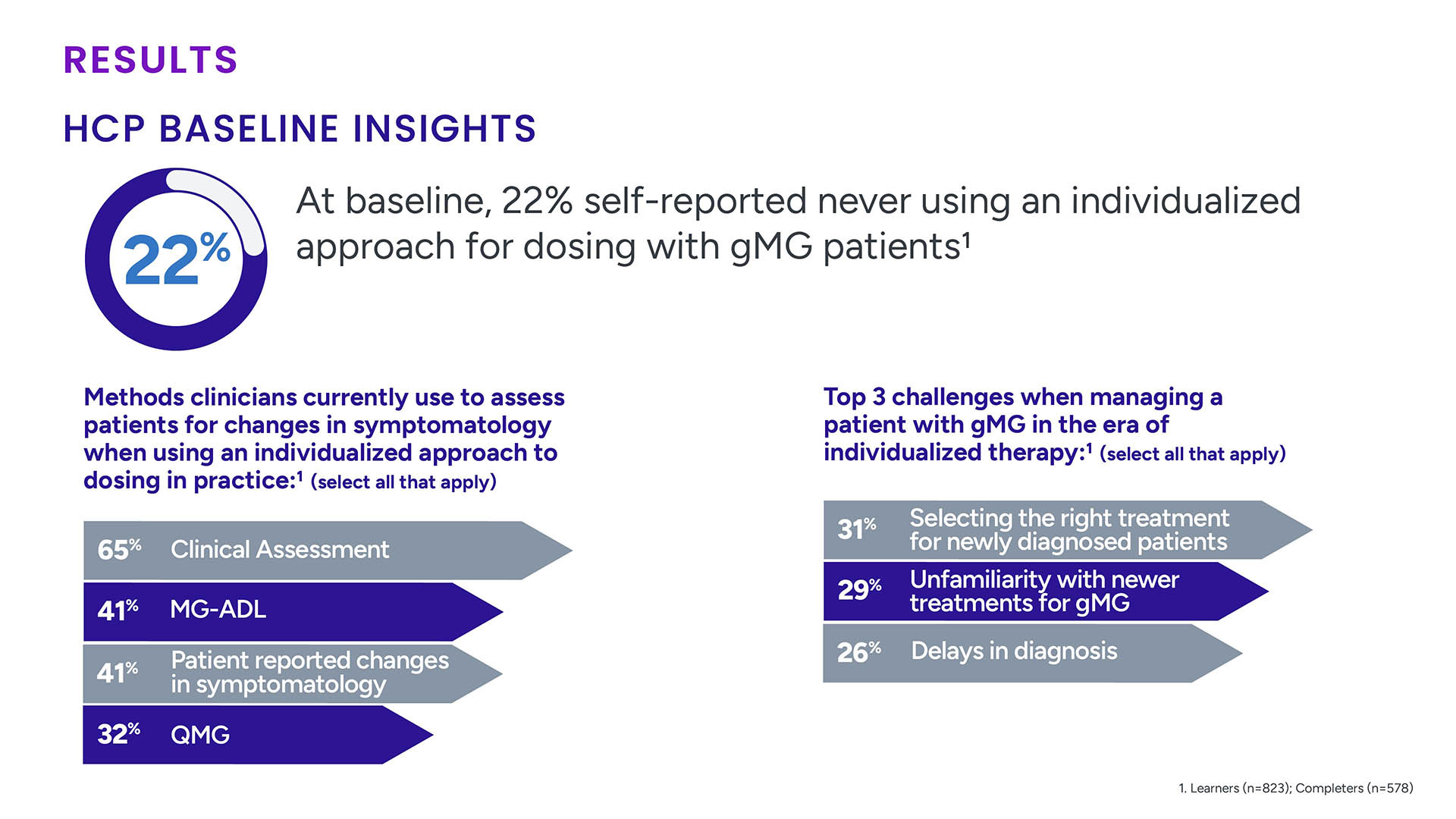
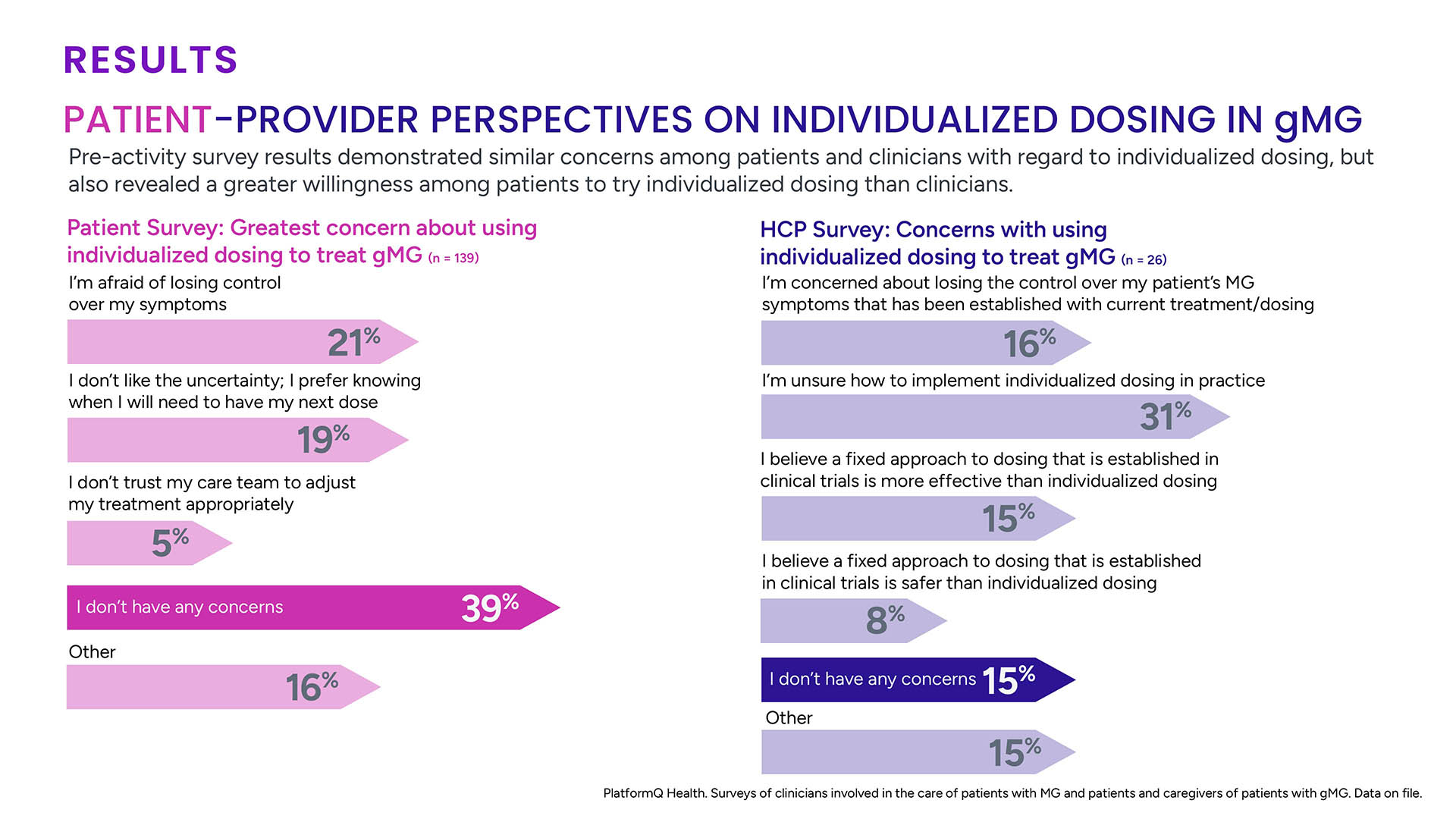
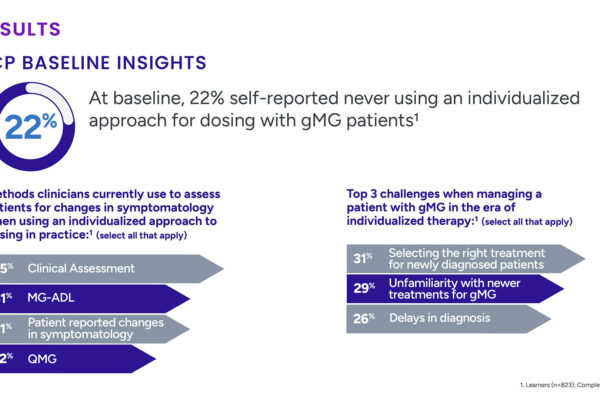
- In fact, despite advances in MG treatment, at baseline, 22% of clinicians reported never using an individualized approach for dosing, and 29% cited unfamiliarity with new treatments as a key challenge.
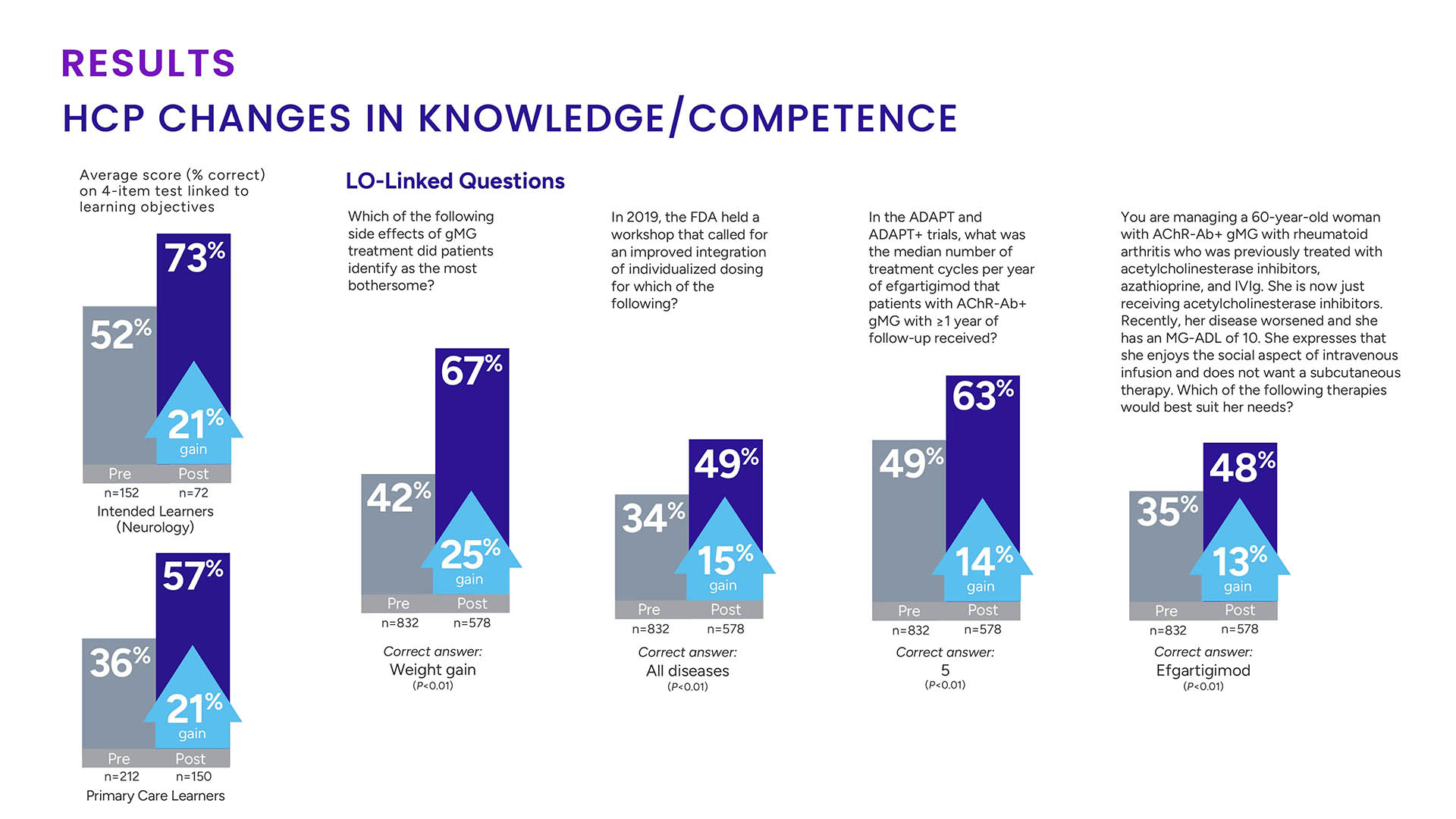
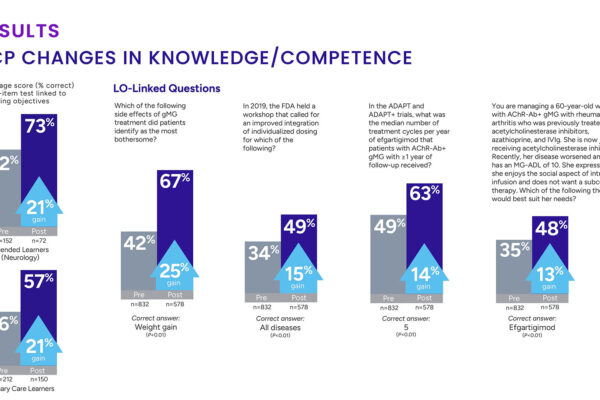
- Post education, a 4-item test linked to learning objectives demonstrated an average improvement in knowledge and competence among neurology learners from 52% to 73% (21% increase) and among primary care learners from 36% to 57% (21% increase).
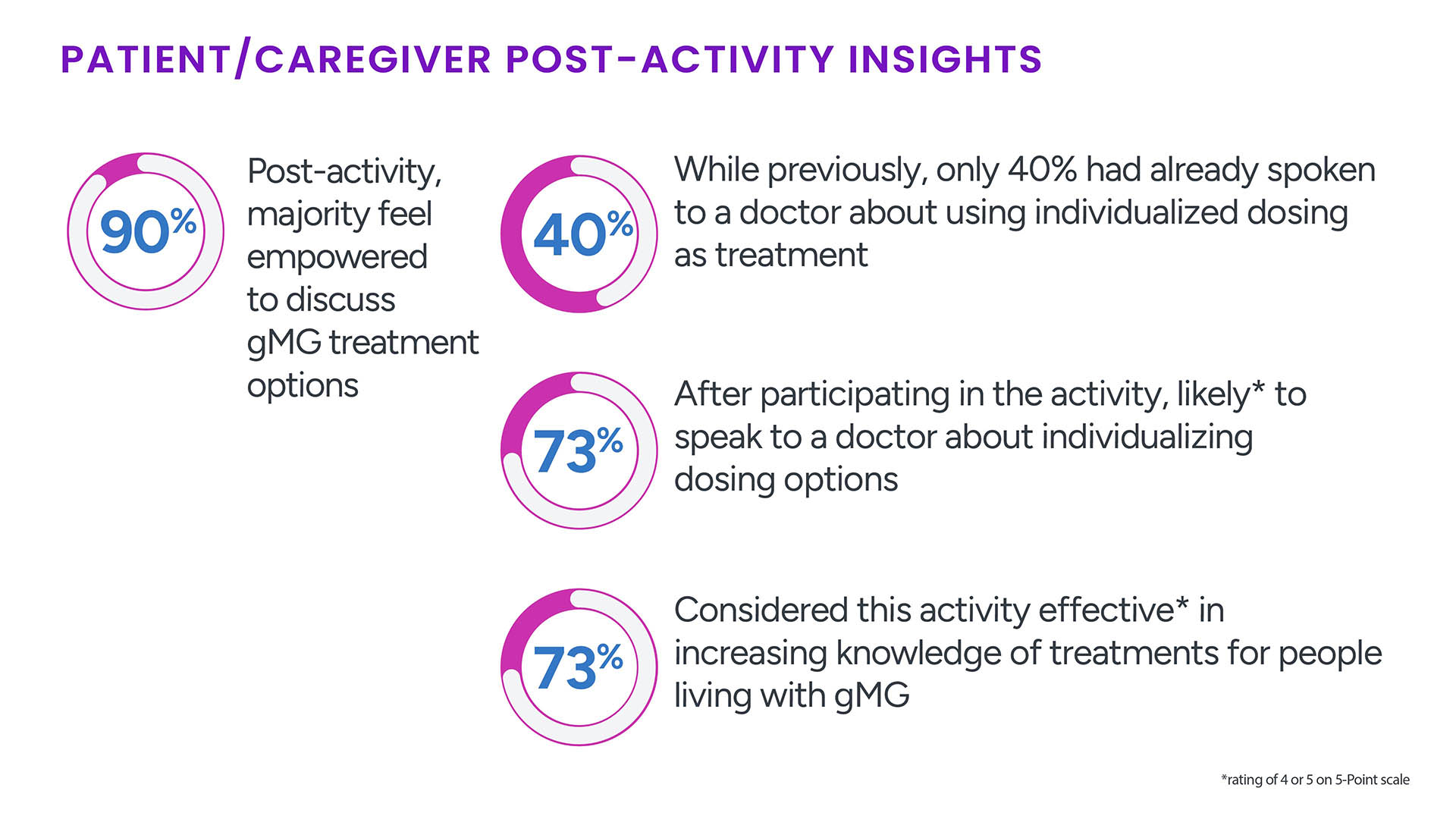
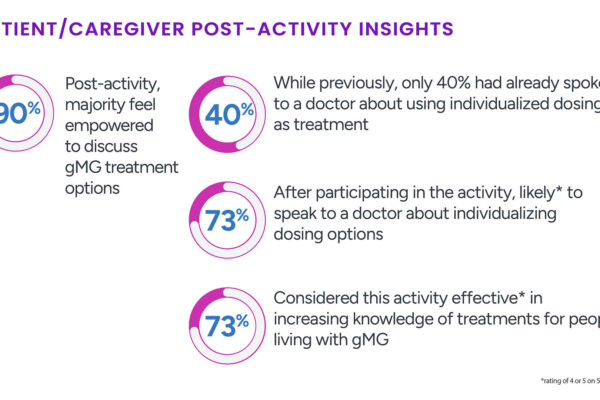
- Post education, 90% of patients felt empowered to discuss treatment options, reinforcing the value of patient education in improving communication and aligning treatment with patient needs.
Conclusion – Collaborating for Improved Patient Outcomes
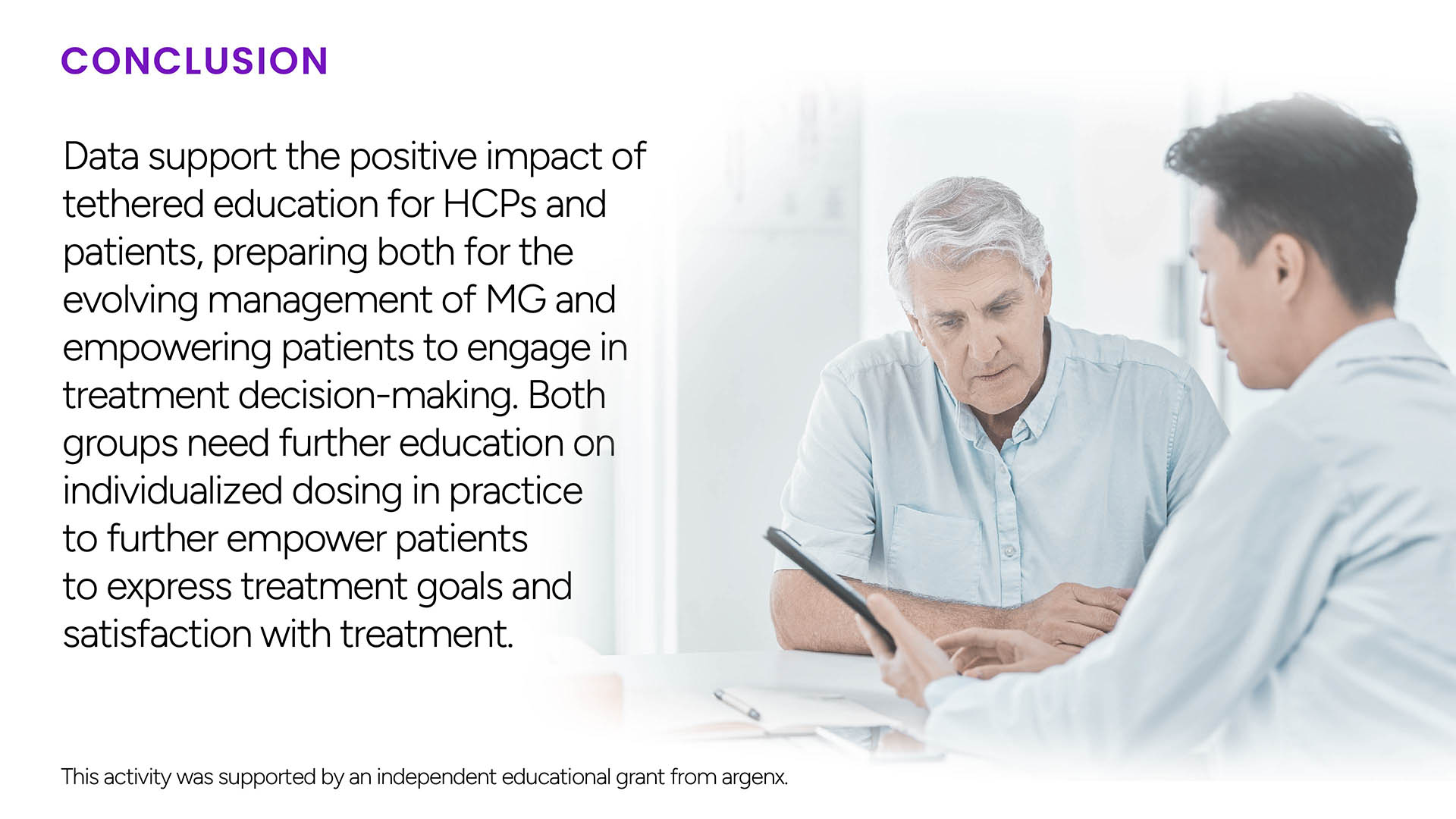
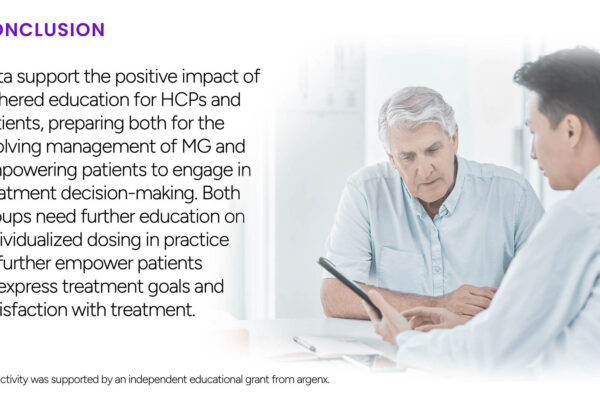
These findings highlight the crucial role of education in closing knowledge gaps, overcoming barriers and empowering both clinicians and patients to make informed treatment decisions. By improving awareness and confidence in individualized dosing strategies for gMG, we can enhance patient care and outcomes.
To learn more about partnering with Medlive to develop impactful CME programs, email hello@medlive.com to connect with our team.