*This information was originally published as part of an abstract for the AAN 2025 Annual Meeting*


Understanding Rett Syndrome and the Unmet Patient Need
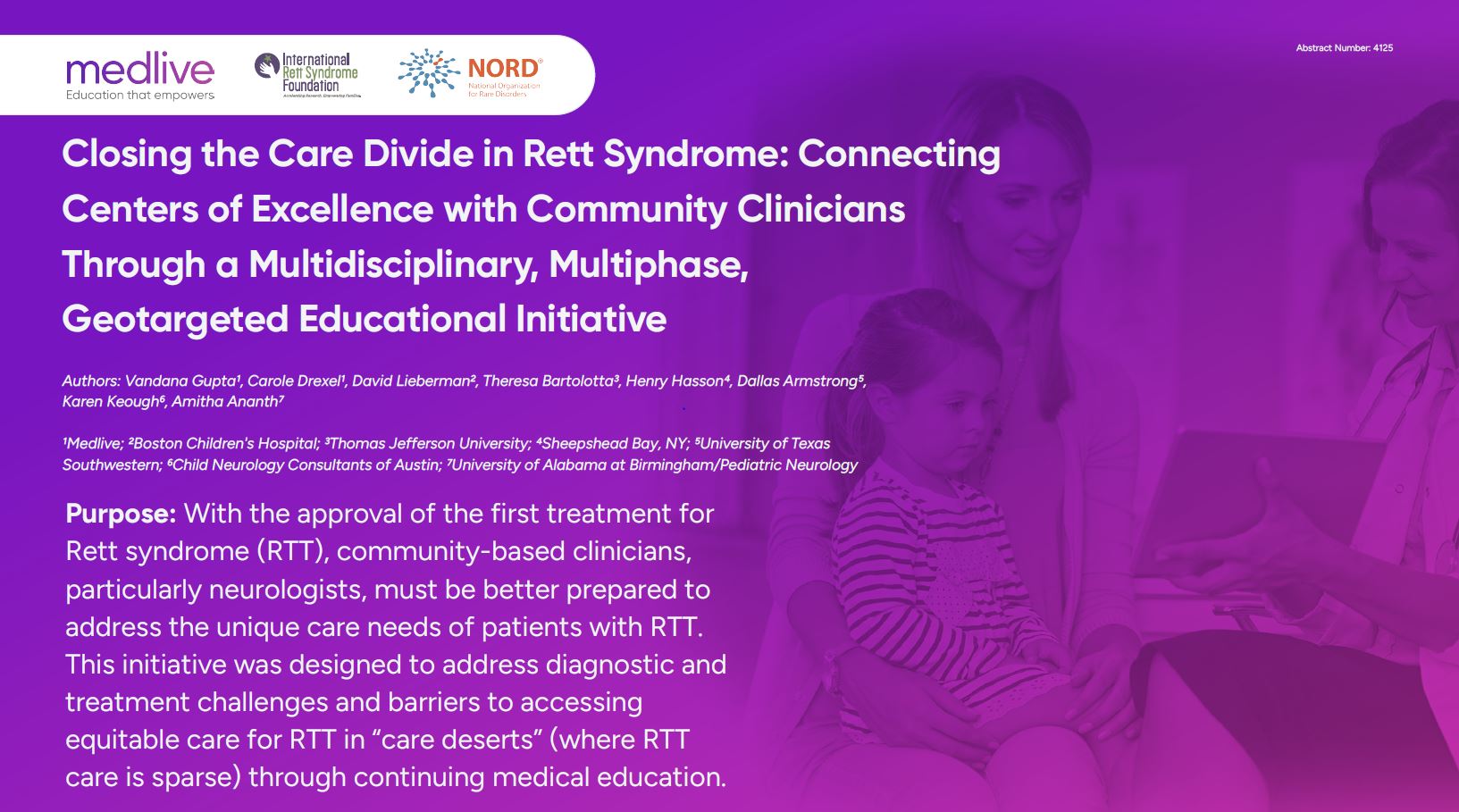
With the approval of the first treatment of Rett Syndrome (RTT), a rare genetic neurological disorder that leads to severe impairments in young children, there is an urgent need to educate community-based clinicians, particularly neurologists, to ensure they are equipped to meet the complex care needs of RTT patients.
The Medlive Approach
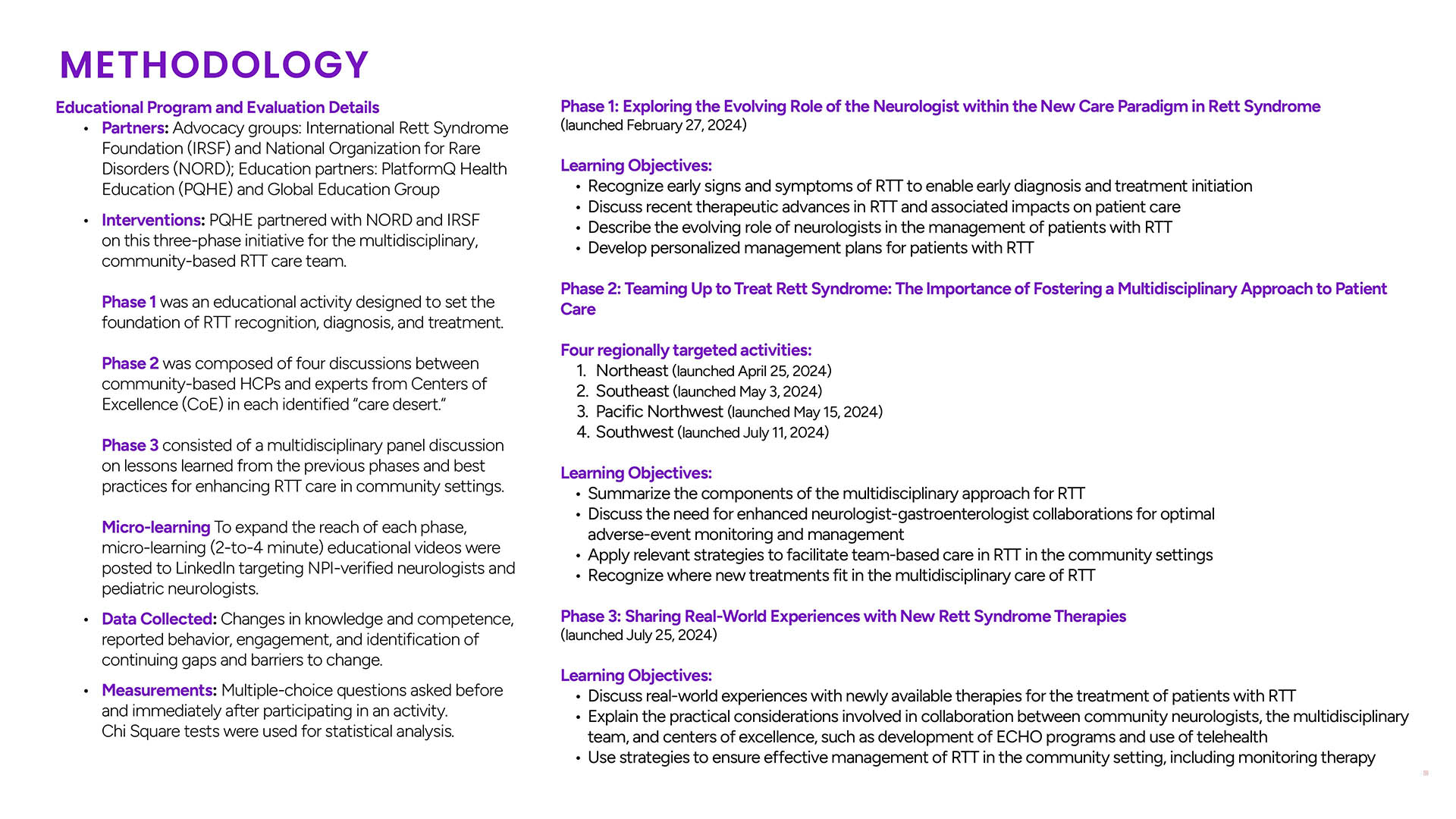
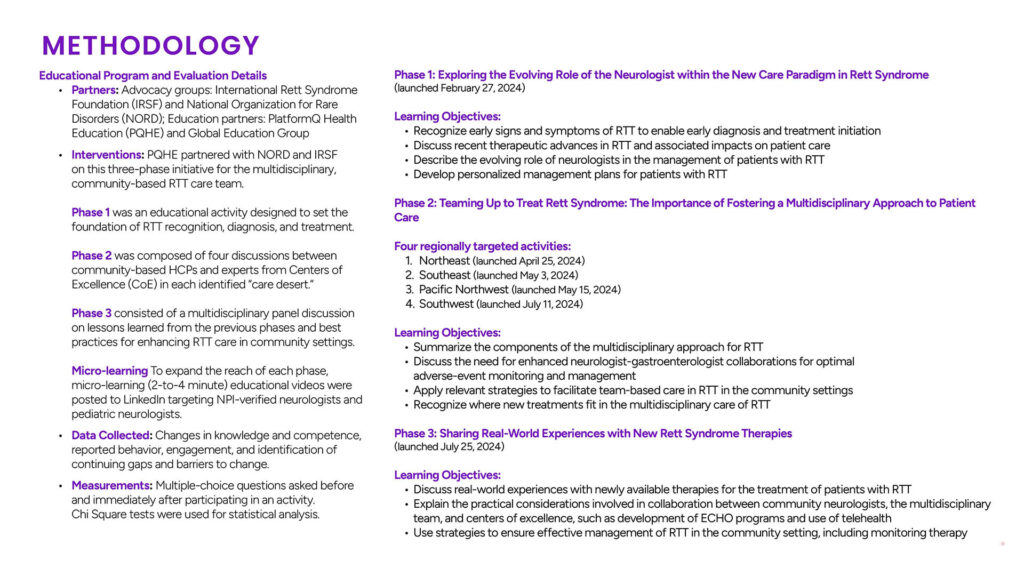
At Medlive, we are committed to closing this gap through targeted digital education. To that end, we, joined forces with the National Organization for Rare Disorders (NORD) and the International Rett Syndrome Foundation (IRSF) to host a three-phase CME initiative targeted to healthcare professionals (HCPs) in four “care deserts” across the United Stats, as identified by IRSF.
- Phase 1: Exploring the Evolving Role of the Neurologist within the New Care Paradigm in Rett Syndrome
- Phase 2: Teaming up to Treat Rhett Syndrome: The Importance of Fostering a Multidisciplinary Approach to Patient Care
- Phase 3: Sharing Real-World Experiences with new Rett Syndrome Therapies
Program Goals
The goals of the CME were to establish a strong foundation in RTT recognition, diagnosis, and treatment, facilitate knowledge-sharing between community-based clinicians and experts from Centers of Excellence in underserved regions, and identify best practices for improving RTT care in community settings. To extend the program’s impact, short micro-learning videos tied to key learning objectives were shared on LinkedIn, targeting NPI-verified neurologists and pediatric neurologists.
Data Analysis
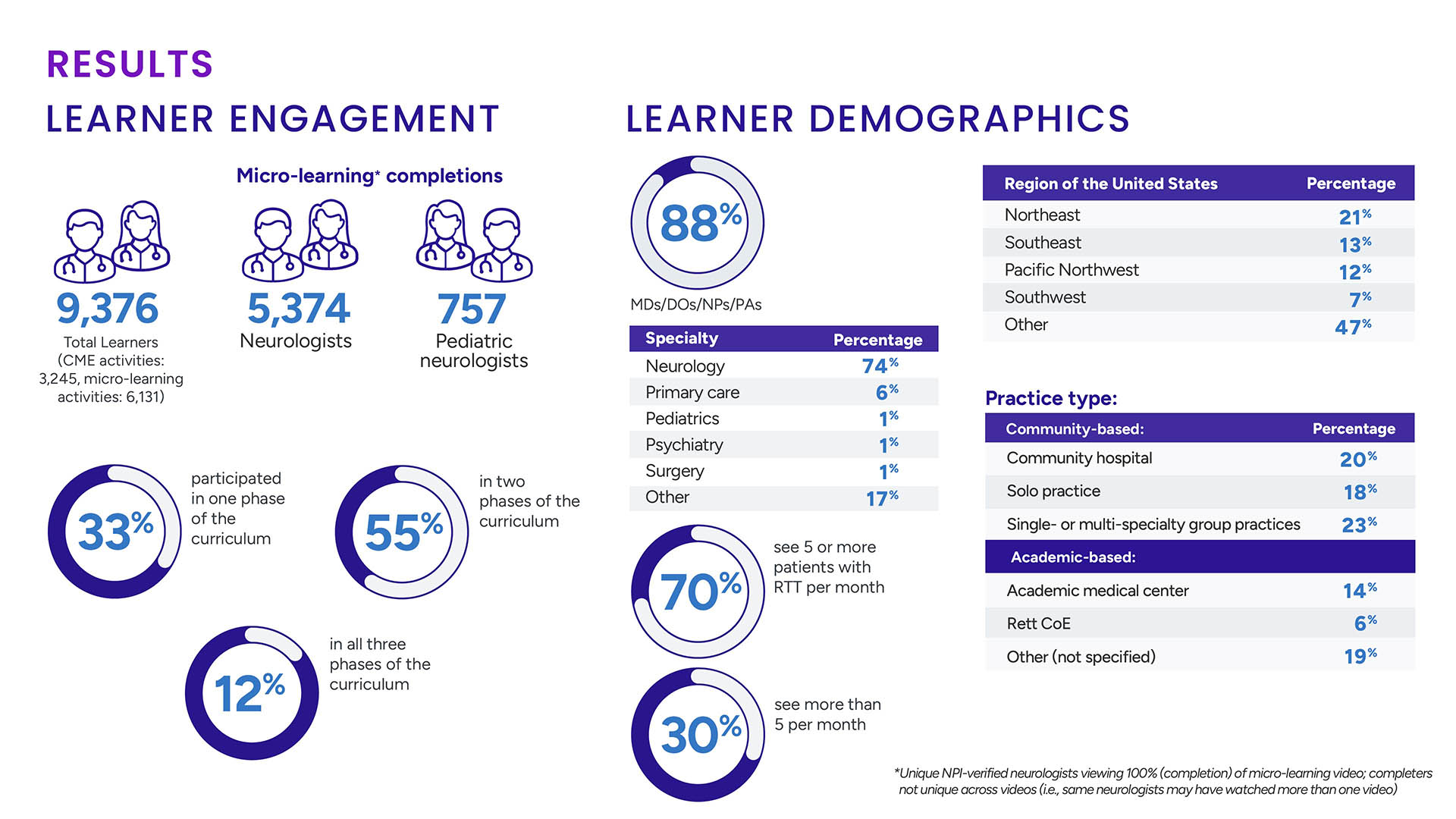
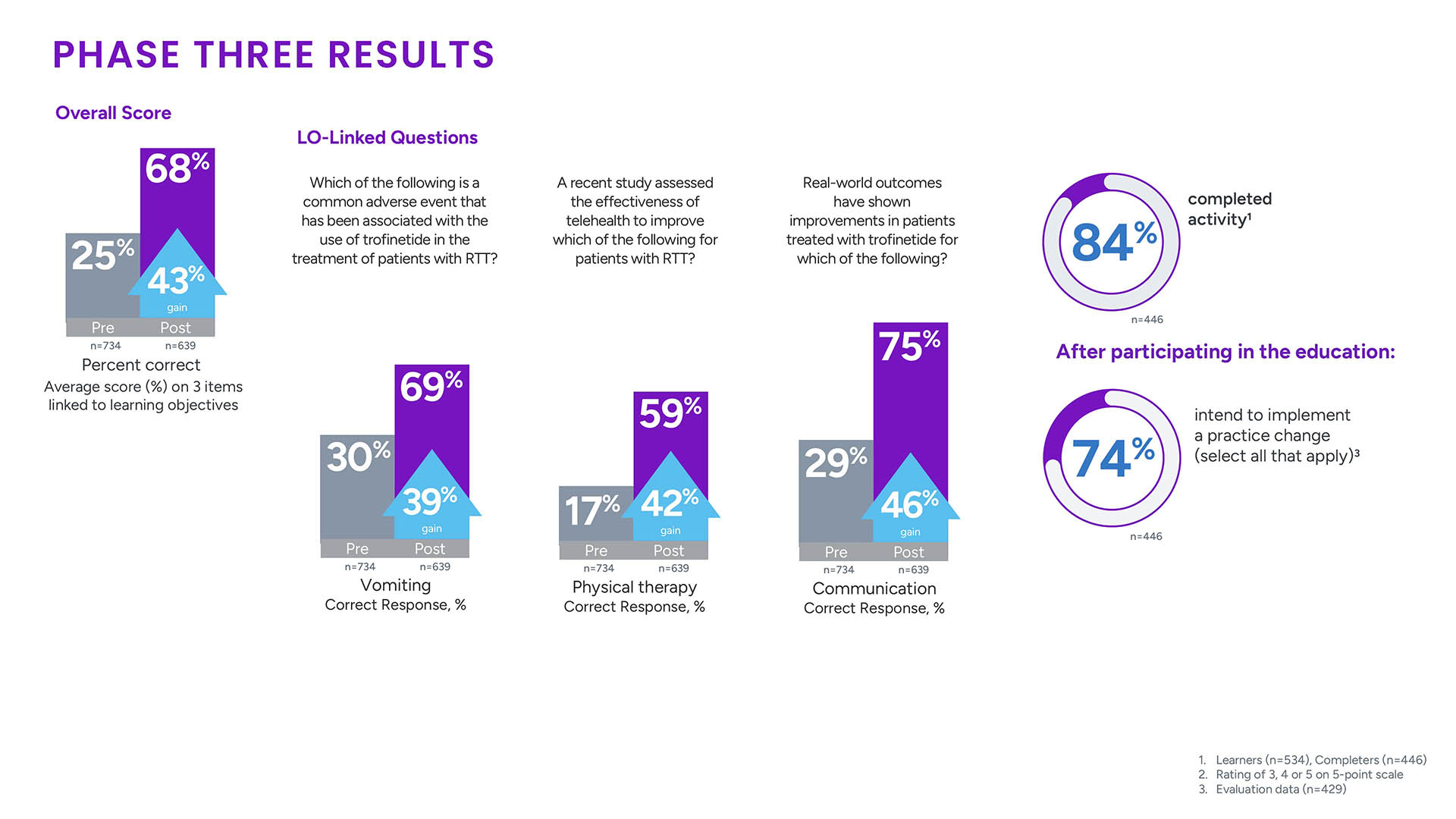
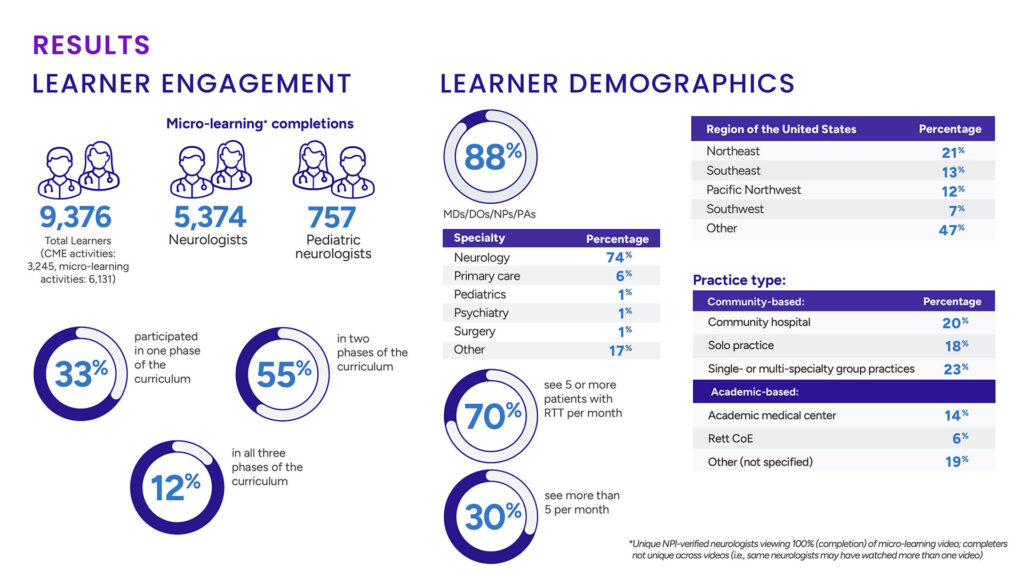
The program saw 9,376 clinician learners participate in the education. 33% participated in 1 phase of the curriculum; 55% in 2 phases; 12% in all 3 phases. Outcomes from the HCP education that were assessed included changes in knowledge, competence, reported behavior, engagement and identification of continuing gaps and barriers to change.
Key takeaways from the analysis included:
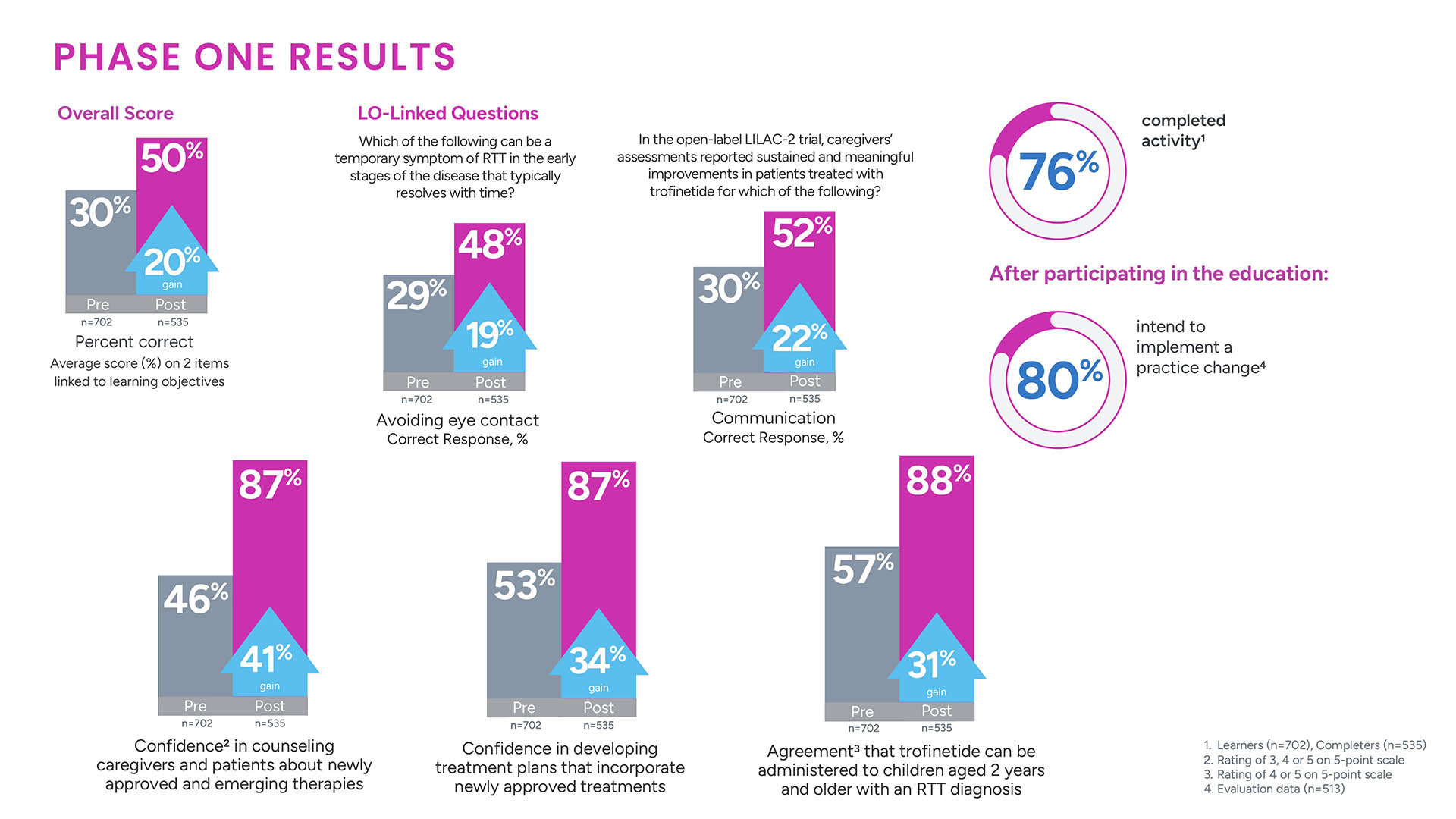
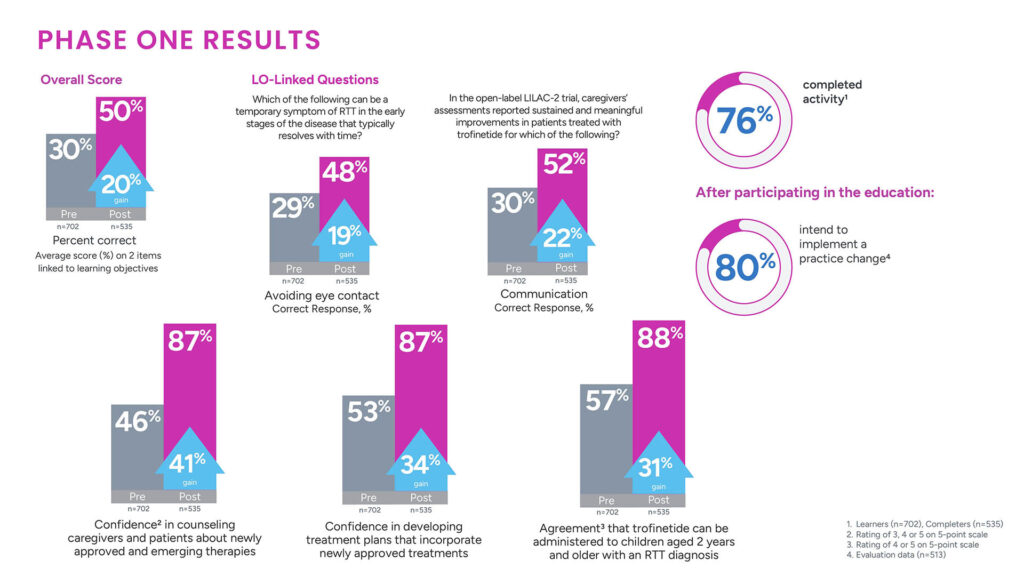
- After participating in Phase 1, confidence in developing treatment plans incorporating newly approved RTT treatments increased from 53% to 87% (34% increase), and agreement that trofinetide can be administered to children aged two and older rose from 57% to 88% (31% increase), demonstrating the program’s effectiveness in improving clinician knowledge and confidence.
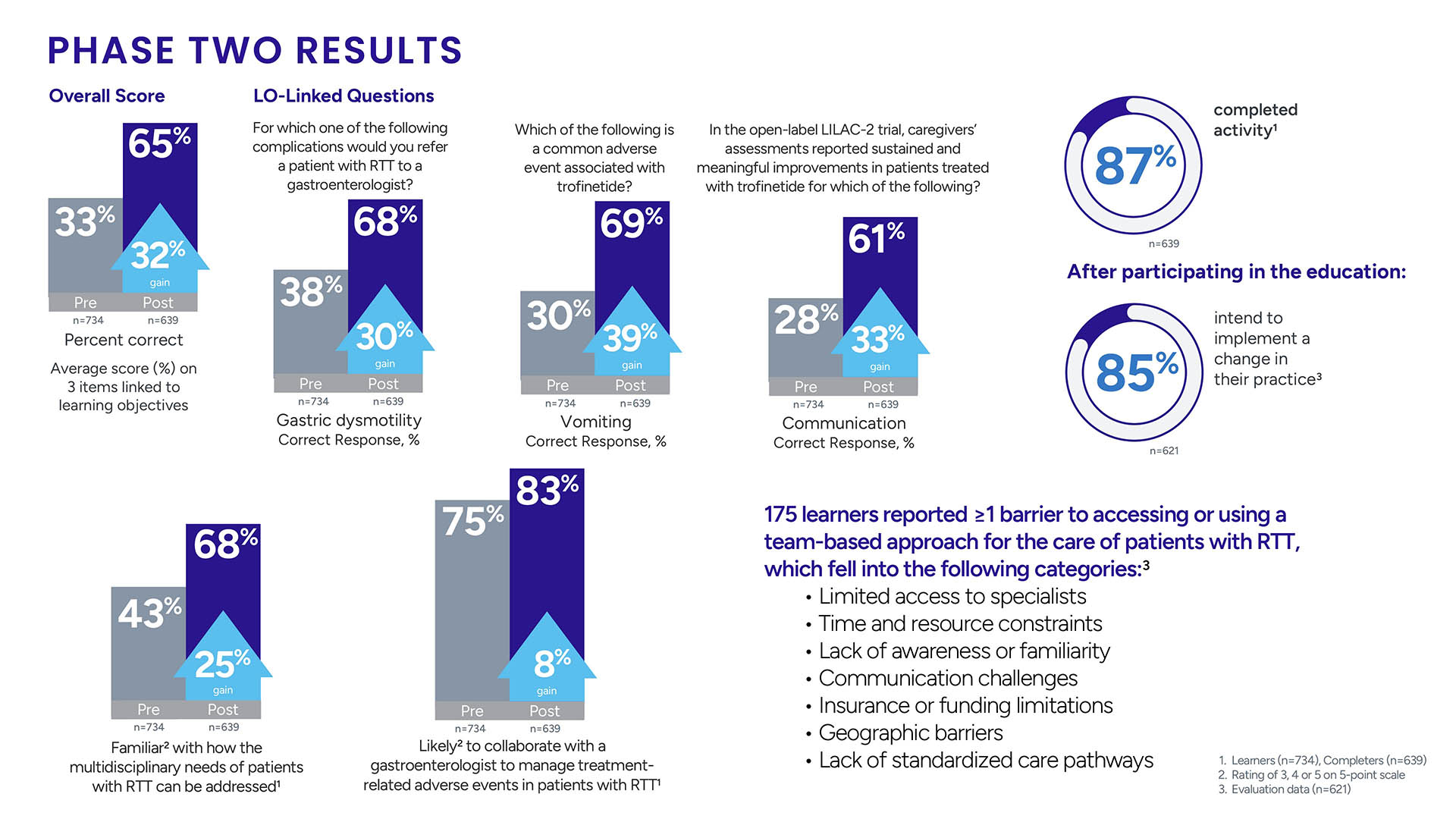
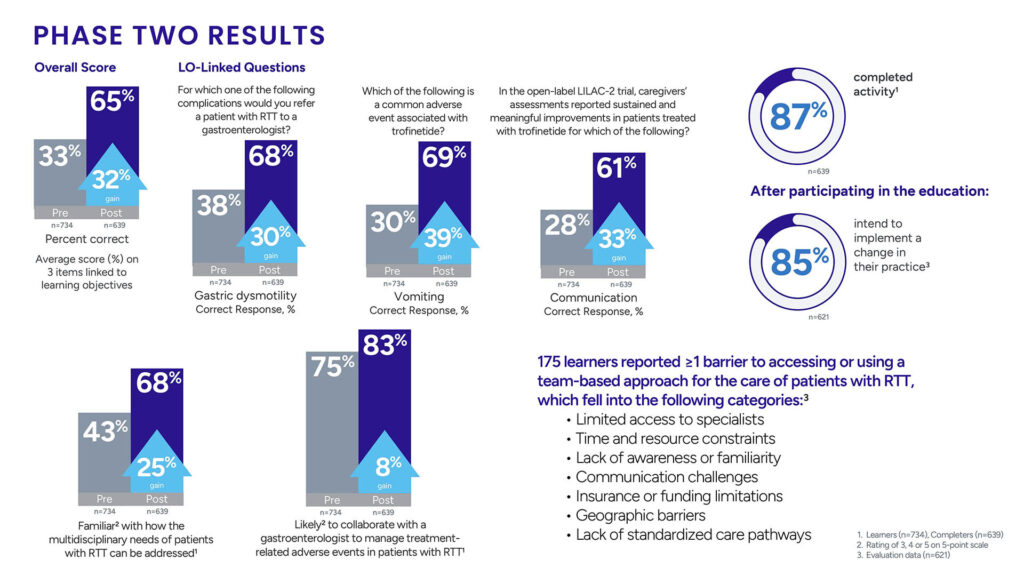
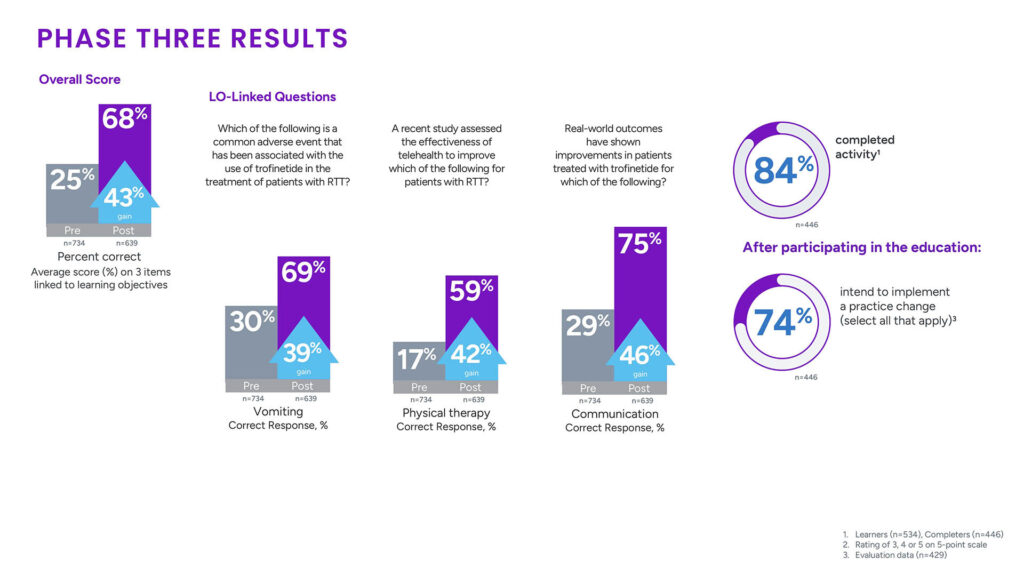
- After participating in Phases 2 and 3, clinicians reported increased familiarity with addressing the multidisciplinary needs of RTT patients and the likelihood of collaboration with gastroenterologists for managing treatment-related adverse events.
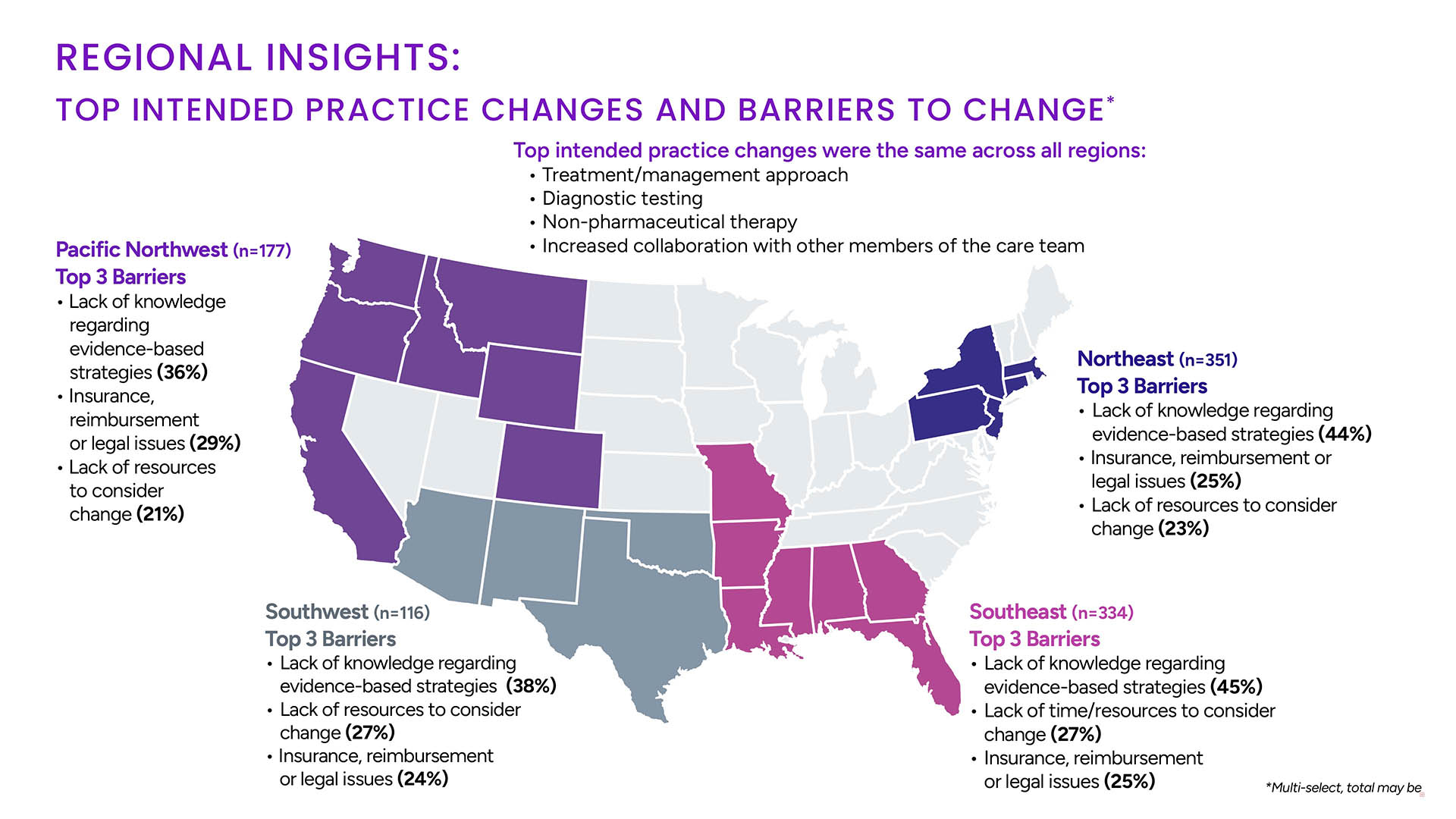
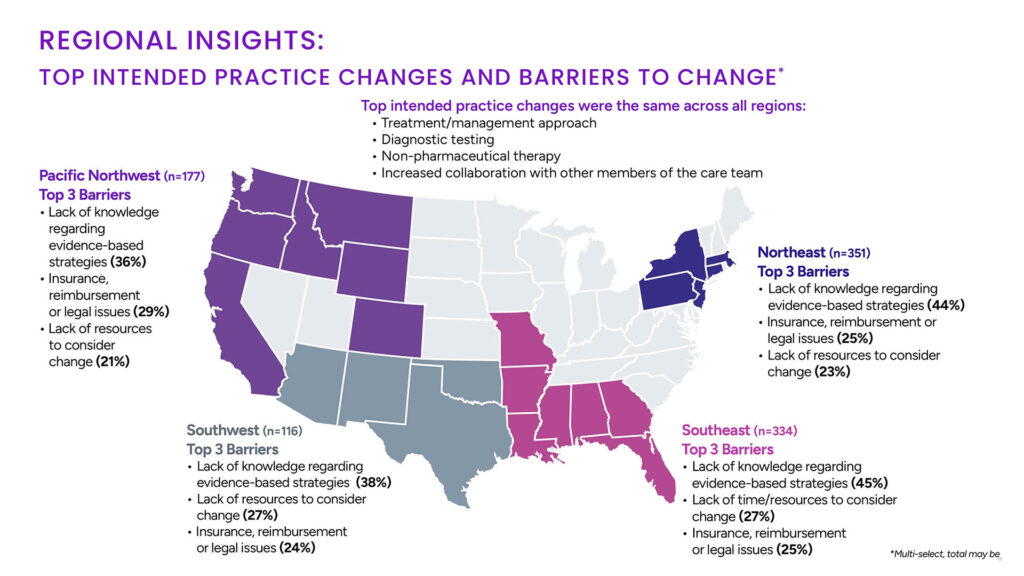
Despite improvement in knowledge and intent to change practice, key challenges persist, including limited access to specialists, time and resource constraints, and a lack of standardized care pathways, highlighting the need for ongoing education and systemic support.
Conclusion – Collaborating for Improved Patient Outcomes
These findings underscore the critical need for education in addressing knowledge gaps, overcoming barriers, and equipping clinicians with the tools to provide comprehensive, multidisciplinary care for patients with Rett syndrome. By enhancing awareness and confidence in early diagnosis, treatment strategies, and collaboration across specialties, we can improve patient outcomes and access to quality care.
To learn more about partnering with Medlive to develop impactful CME programs, email hello@medlive.com to connect with our team.